
International Museum Day at MAO: Museums Uniting a Divided World
Vodstvo / 17. 5.—18. 5. 2026 / 10:00




International Museum Day at MAO: Museums Uniting a Divided World
Vodstvo / 17. 5.—18. 5. 2026 / 10:00
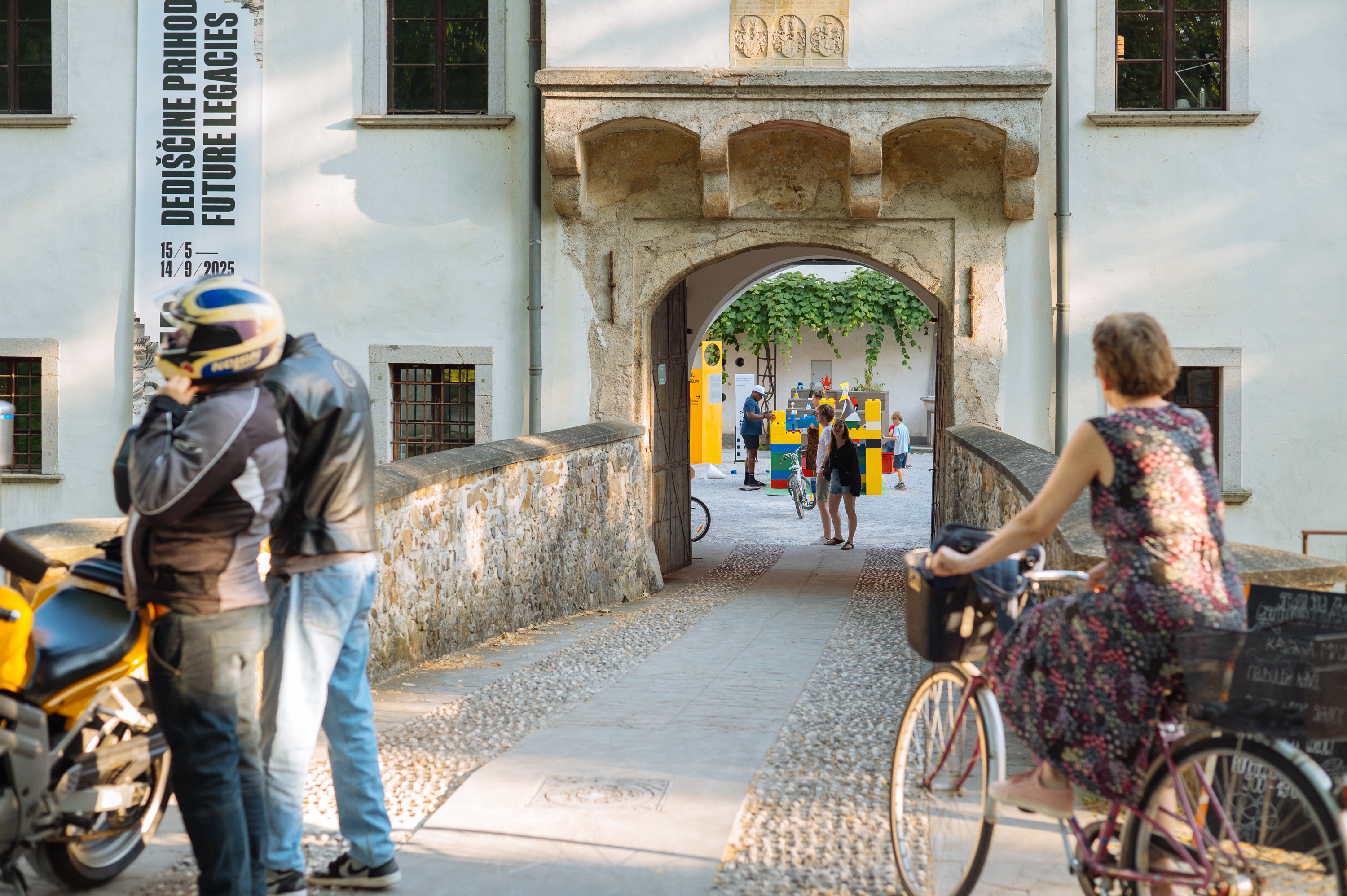
For this year’s International Museum Day, ICOM has chosen the theme “Museums Uniting a Divided World.” At the Museum of Architecture and Design (MAO), we believe that architecture and design are universal languages that help us understand one another and the space we share.
We invite you to spend two days in the embrace of Fužine Castle, where we have prepared a special program:
FREE ADMISSION
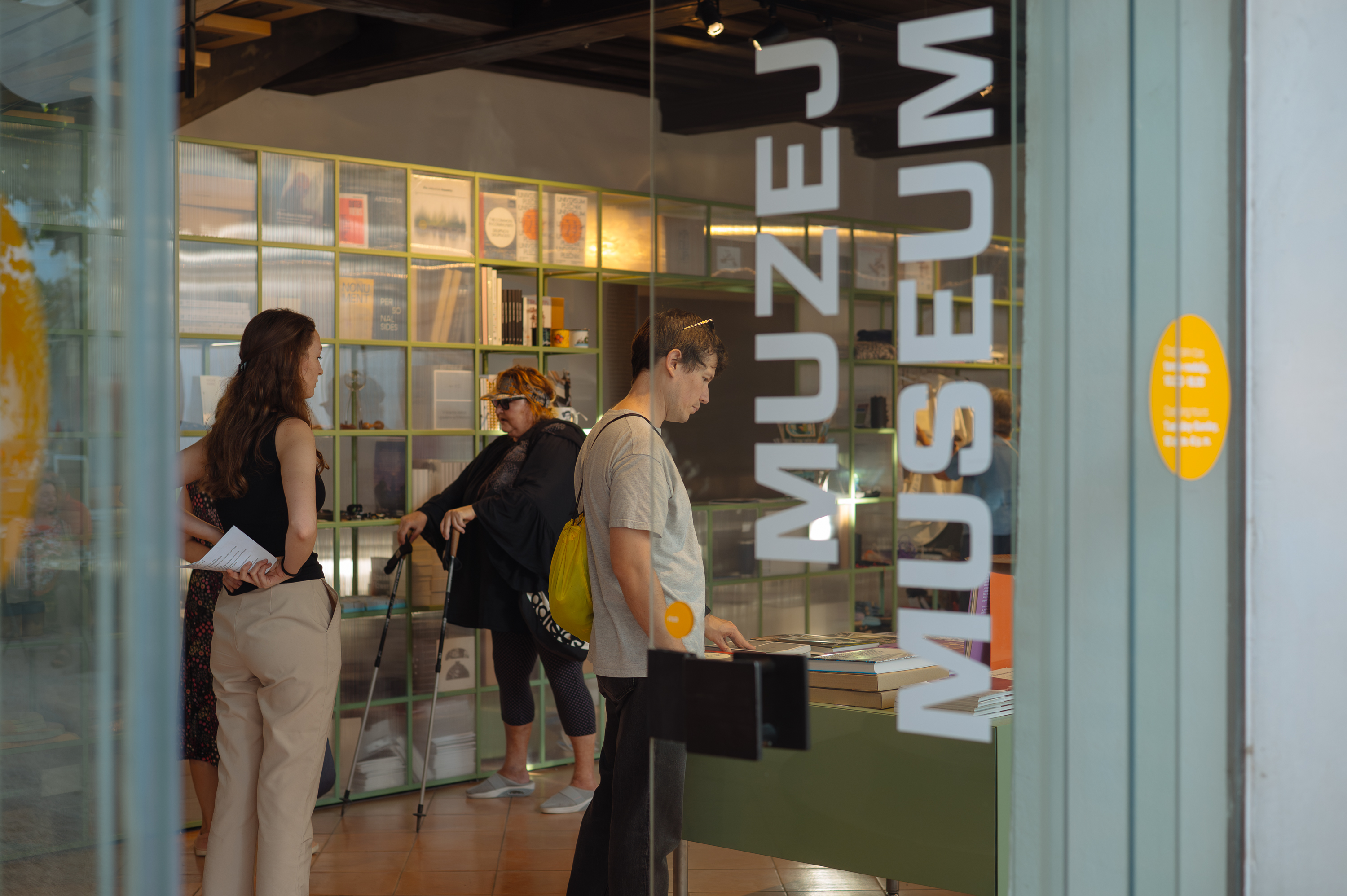
On Sunday, May 17, and Monday, May 18, the museum doors are wide open to all visitors. Take this opportunity for a free tour of all our exhibitions.
GUIDED TOURS: IS NATURE MODERN?
Don’t miss the guided tours of the exhibition Is Nature Modern?, which will take place:
- Sunday, May 17, at 11:00
- Monday, May 18, at 11:00
The guided tours will be held in Slovenian.
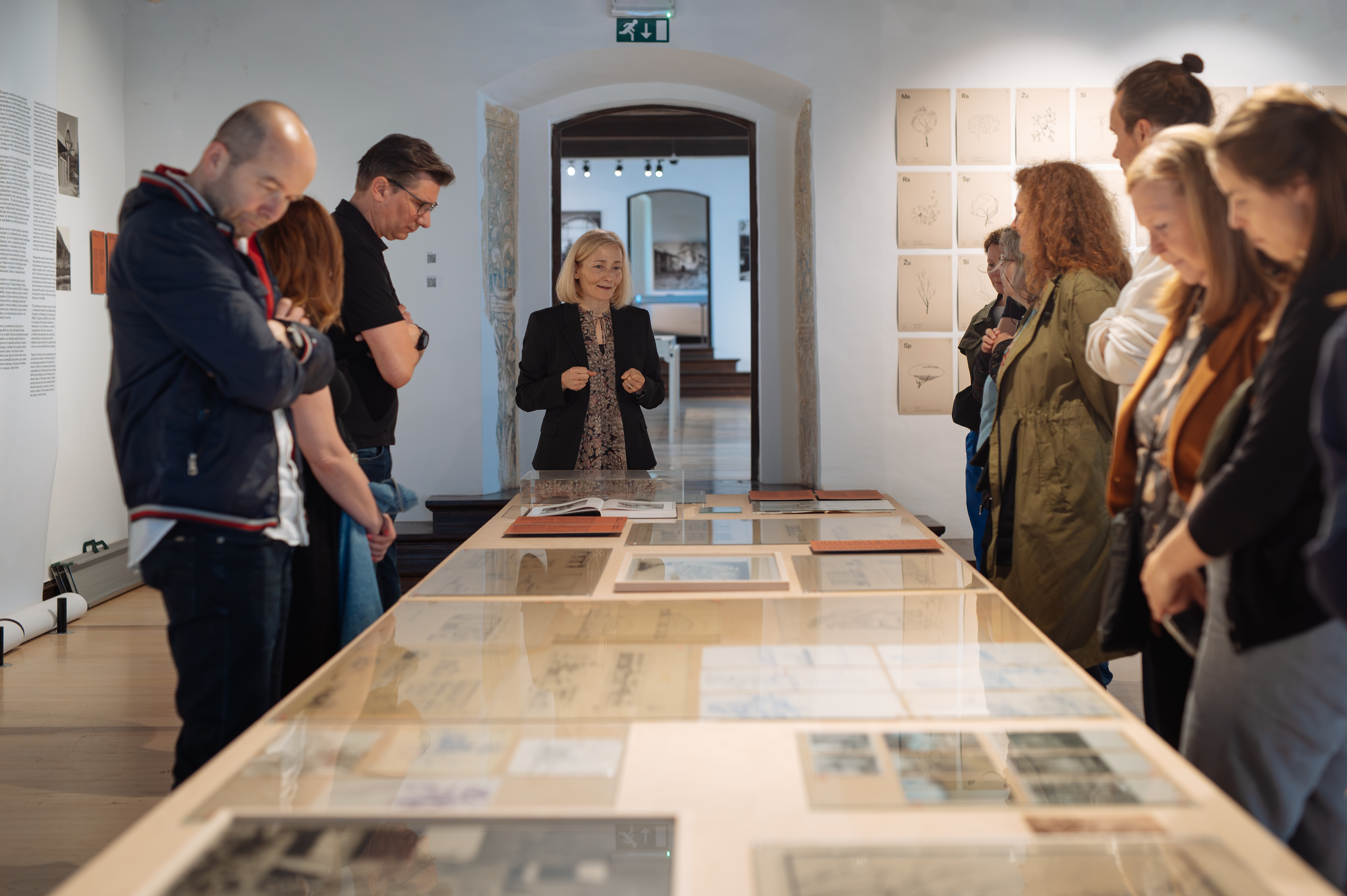
The exhibition explores the relationship with nature and approaches to ecological thinking in modernist architecture and design. Its starting point is the MAO collection, featuring a rich array of projects, objects, and documentation from the fields of 20th-century architecture, design, and photography.
EXHIBITION IN FOCUS: THE PATH ALONG THE WIRE. THE FIRST STEP
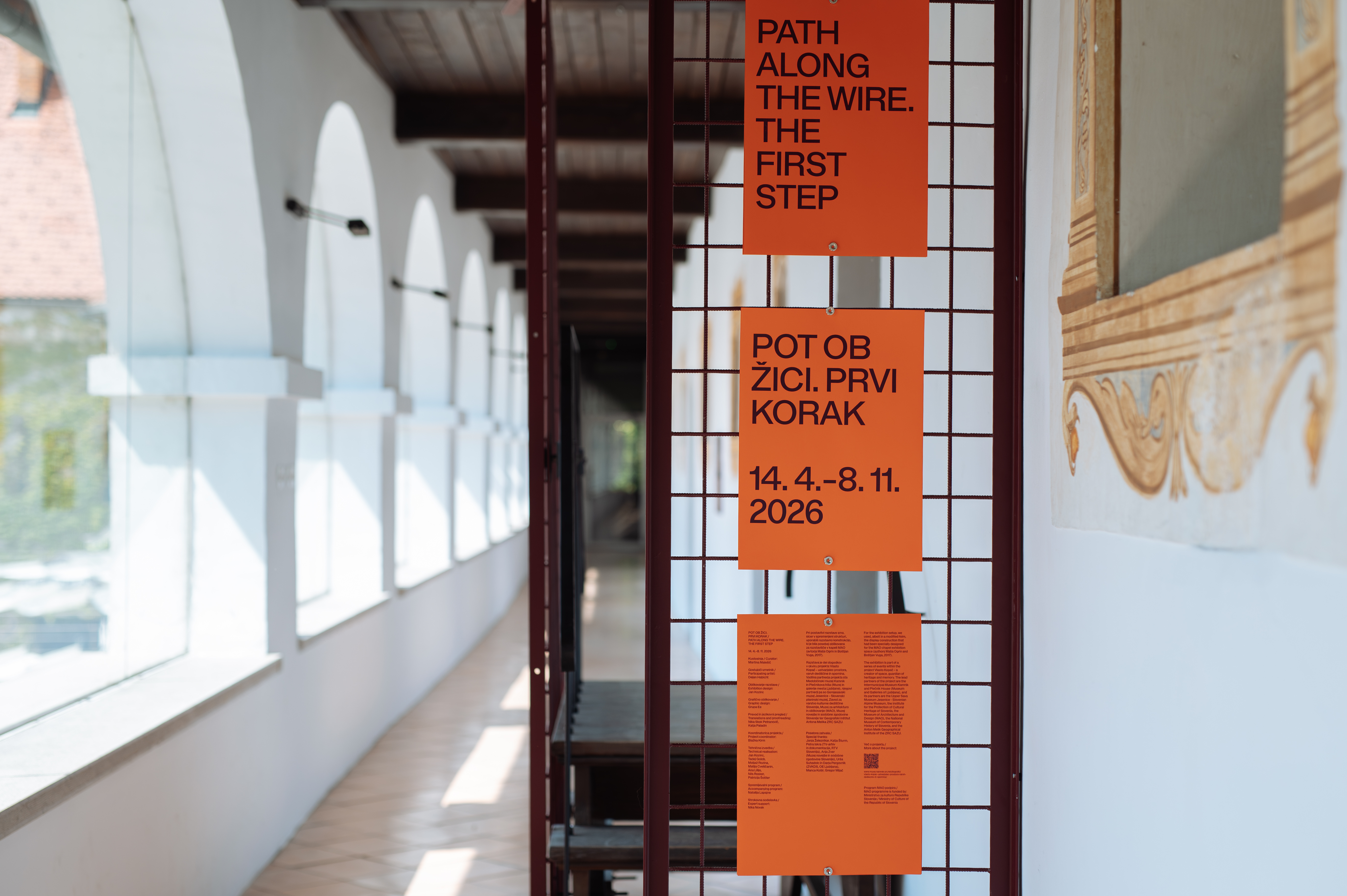
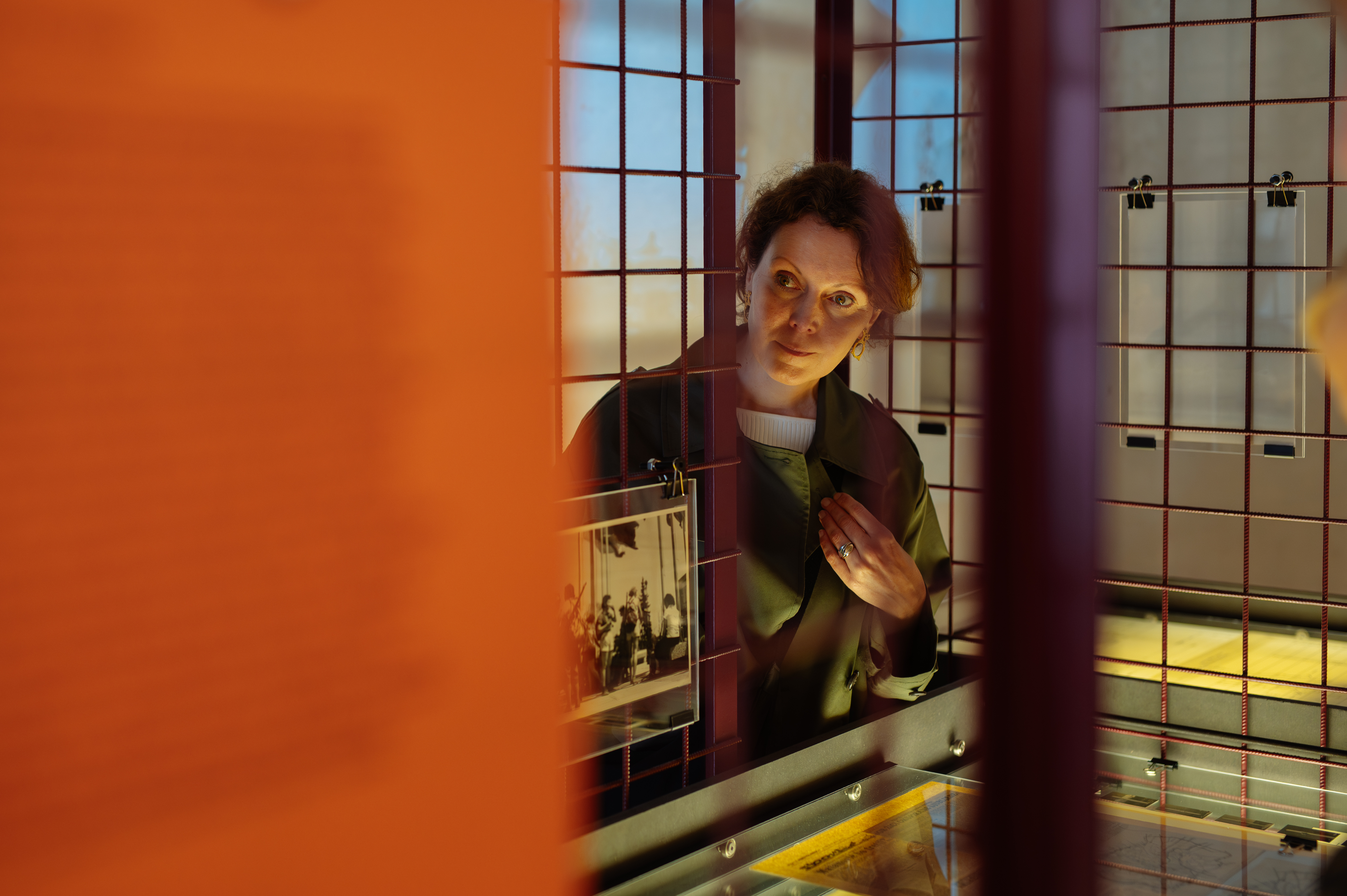
As part of this year’s theme of connection, we are placing special emphasis on the exhibition The Path Along the Wire. The First Step. Through an architectural and historical framework, the exhibition addresses questions of borders and divisions, while highlighting the symbolism of connection represented today by Ljubljana’s green arterial path.
The exhibition focuses on the first stage of the path designed by architect Vlasto Kopač—the project of marking and staking out the route. After the first Partisan march in 1957 revealed that the trail following the wire was unkempt and difficult to track, Kopač defined and staked its course. According to his plans, 102 pillars—octagonal stones with the wire engraved—were placed near bunkers, while monuments with sculptural reliefs were erected at crossing points to serve as landmarks. Much like a mountain trail, the route gained a recognizable, visible, and easily traceable direction through its trodden path and spatial markers. However, the path is not just a monument; it is a space that enables a ritual of commemoration through walking. At the same time, it serves as a recreational area, a city park, and sports infrastructure.
See you at MAO!