Biba: Function. Context. Idea.
21. 5.—8. 11. 2026

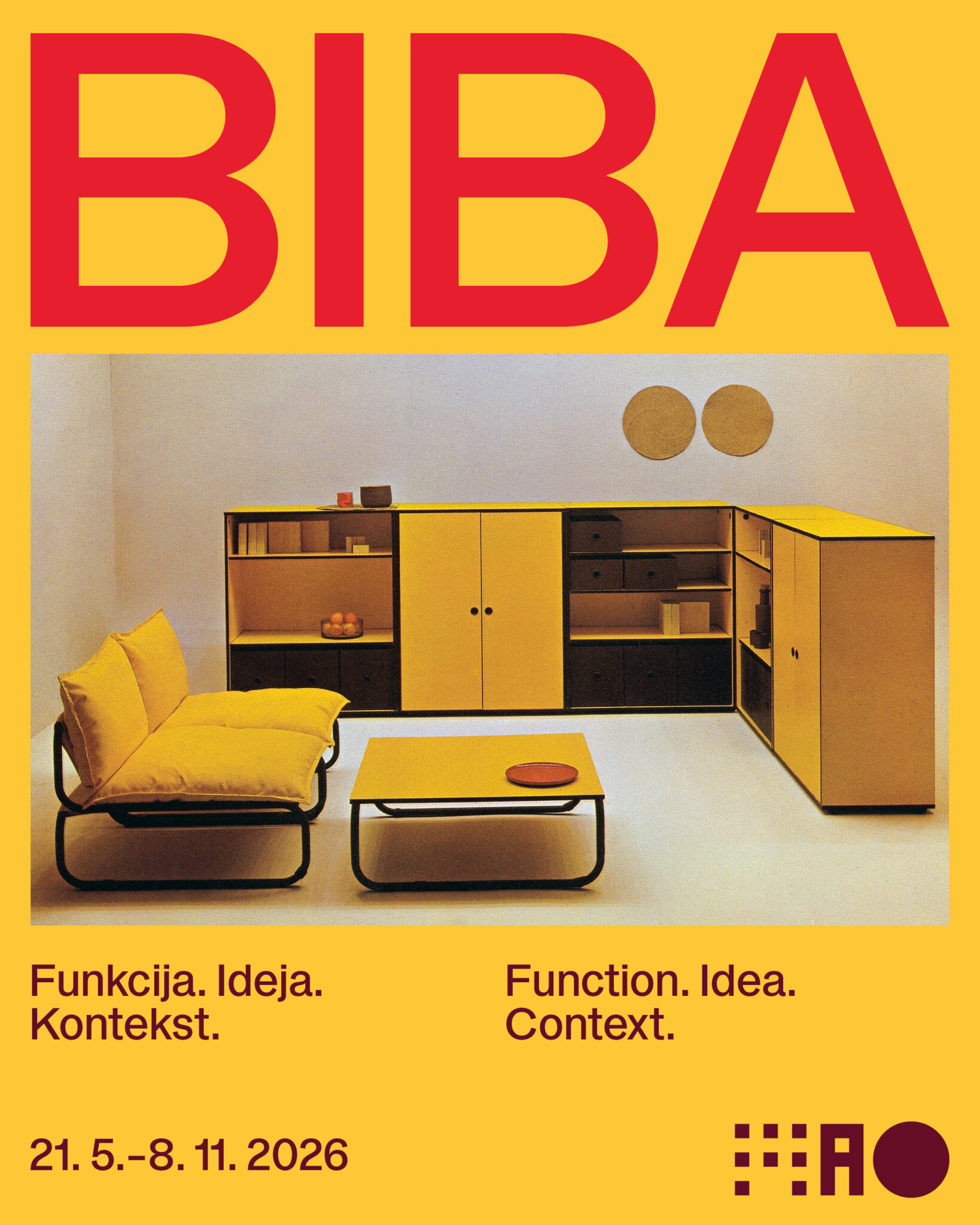
Biba: Function. Context. Idea.
21. 5.—8. 11. 2026
Exhibition opening 21 may at 6 pm
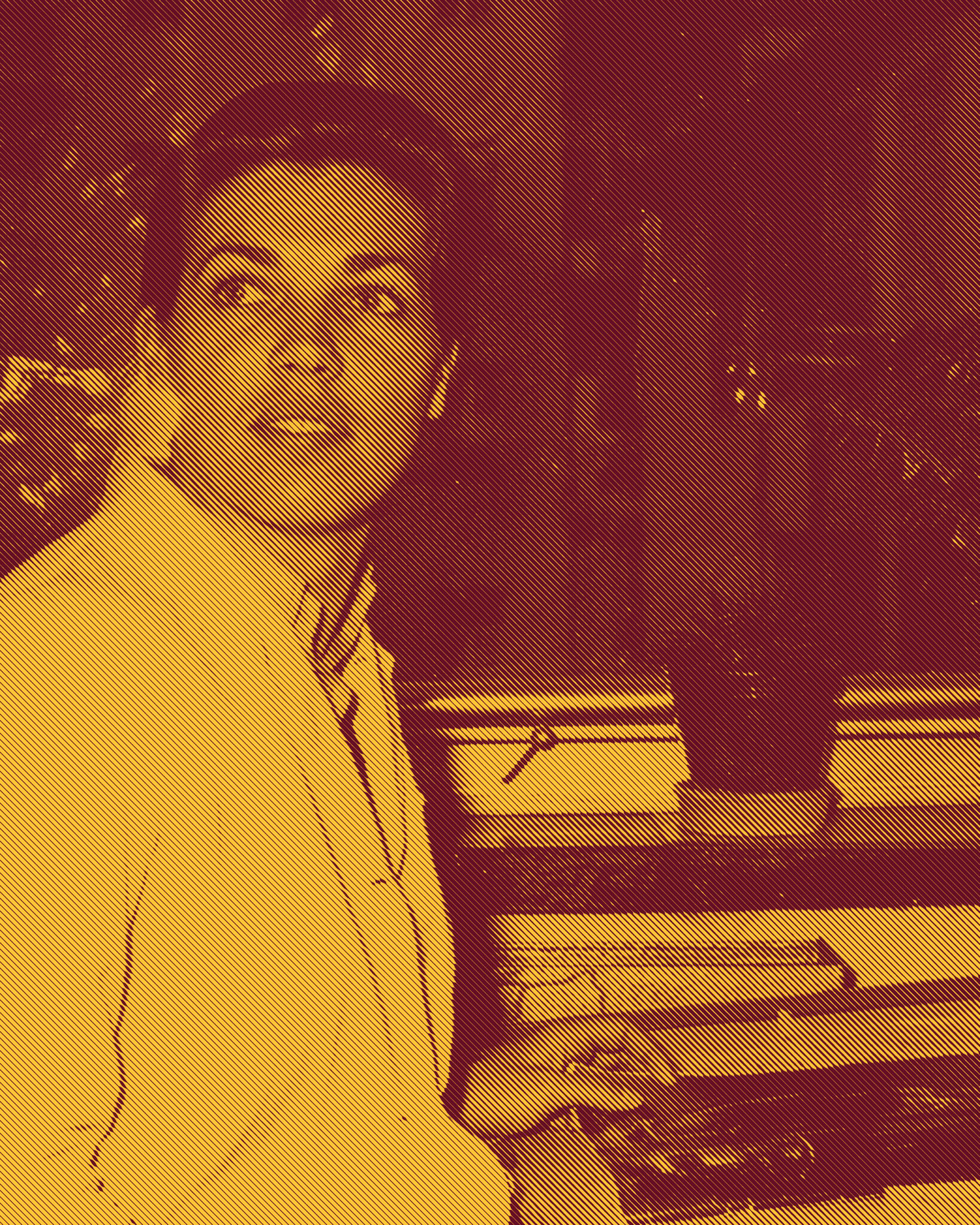
Functionality, form, production, and technological requirements (in particular typification and standardization), market performance, and socially balanced living conditions were all key considerations that guided Biba Bertok’s work as designer. Bertok designed more than forty furniture systems and programmes over the course of her career, most of them for serial production.
Bertok belonged to that body of architects and industrial designers who insisted that design is an integral part of any product. According to her, there were two ways of practicing her profession: the one adopted by the most accomplished, trailblazing designers searching for new visions of the future, and the other, made up of those who design for everyday life and industrial production (and are often overlooked in the Slovenian context). The latter, she wrote, are the “diligent designers” who aspire to elevate not only the aesthetic qualities of a design, but also “quality at all levels” – from lifestyle to development and production. The protagonist of this exhibition unquestionably belongs among the latter.
Despite all her awards and success in the market Bertok still frequently had to deal with the proverbial slowness and rigidity of the furniture system – and resistance from conservative, commercially-minded company clients and structures. Yet she maintained that “breathing humanity into life in modern concrete cells of dormitory towns” was a central priority in her work. She succeeded to do this by using colour and textile, and by ensuring that her multifunctional furniture could adapt to various user needs, spatial conditions, and budgets.
Bertok also well understood the technical conditions of highly industrialized production processes and systematically harnessed this knowledge to improve her designs. As she noted, she sought to “effectively utilize available production and technological capacities” to achieve a “level of quality that’s above average compared to similar programmes”.
All these principles were clearly manifested already in Bertok’s first hallway furniture sets for Alples. She embarked on a path to systematise furniture elements, which remained both the guiding principle and the goal throughout her career. In this context, she pioneered her own universal furniture connector which she subsequently patented. The fact that her far more widely recognized colleague, industrial designer Niko Kralj, followed in her footsteps with his version of a furniture system (Futura), speaks volumes about her work.
With her systematic design approach Biba Bertok developed furniture systems – especially Manta – that harnessed the Slovenijales company’s expertise and paved the way forward and beyond Slovenia and Yugoslavia to demanding foreign markets. Manta thus became the flagship production programme that ensured its producer was “done with years of lagging behind, programmatic improvisations, and poor business performance”. Another innovation from late in her career was the Plima furniture programme (1988), which featured a dining table with an original extension mechanism that allowed for flexibility and various uses.
As one of the country’s pioneers of systematic furniture design, Bertok left a defining mark on the development of furniture systems in Slovenia. As the first display of her body of work, the exhibition encourages further research, additions, and reinterpretations; and underlines the importance of context in better understanding both the role and perception of women in an industry dealing with everyday objects and design more broadly.
Curators:
dr. Barbara Predan in Špela Šubic
Exhibition design: Janez Mesarič
Project coordinator: Blažka Kirm
Technical realisation: Matija Cvetičanin, Tine Drašak, Eva Đ., Ana Lilija, Nils Rošker, Patricija Šošter, Martin Tomažič, Asja Trost, Tadej Golob, Matjaž Rozina
Special thanks: Nanja Bertok Dragić, Maša Bertok Duh, Domen Anžlovar, Marja Grahek, Majda Pipan, Sabrina Povšič Štimec in Monika Povšič, Marjana Rejc, Katja Šturm, družina Zupan, Slovenski etnografski muzej
Co-organisers: Academy of Fine Arts and Design, University of Ljubljana and Pekinpah Association
The exhibition was developed in part within the research programme P5-0452 Visual Literacy at the University of Ljubljana, Academy of Fine Arts and Design, co-financed by the Slovenian Research and Innovation Agency (ARIS).
Exhibition is supported by: